

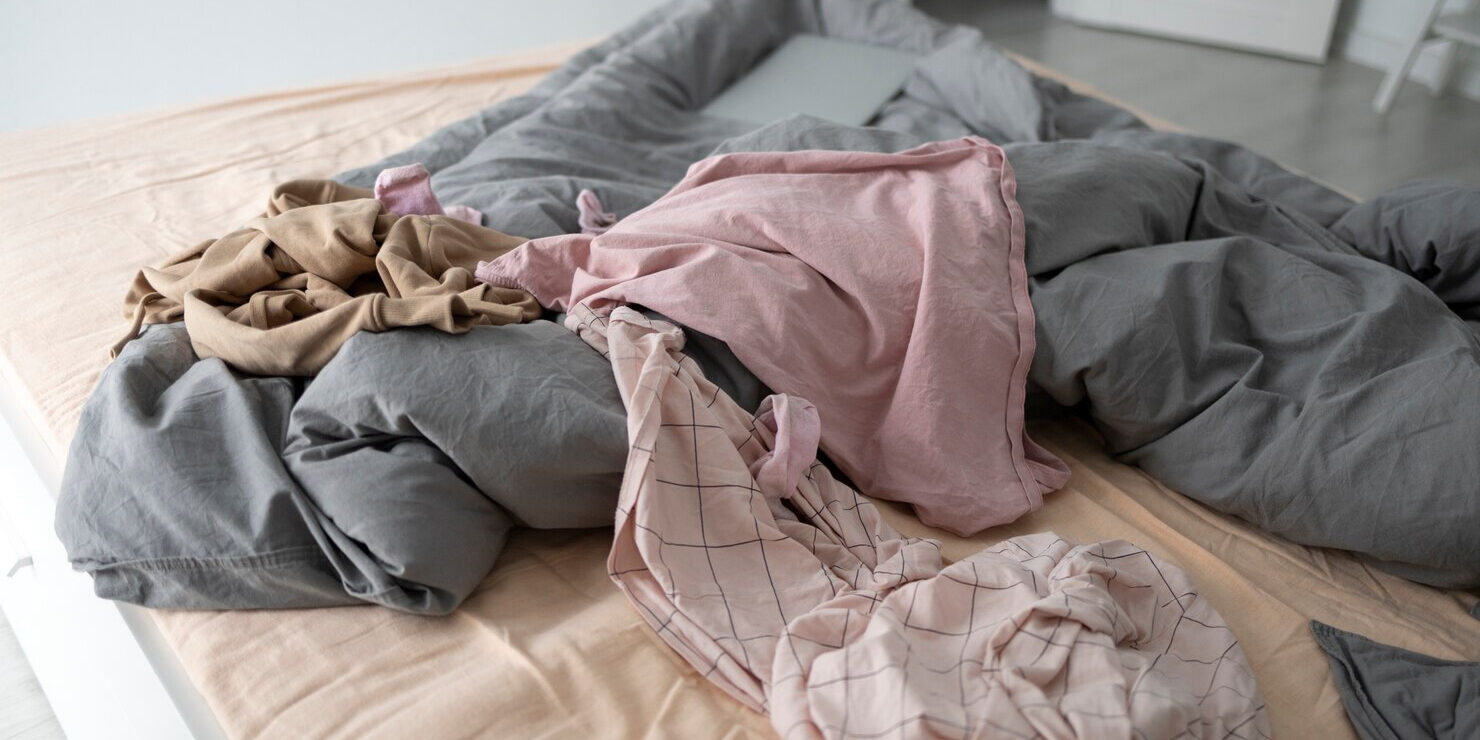
Washing A Comforter At A Laundromat
Comforters are one of the most common reasons people visit a laundromat for the first time. They’re big, heavy when wet, and easy to put off washing because they barely fit in a home machine. The good news is that a large commercial washer and dryer can handle them easily. Here’s how to tell when your bedding belongs at the laundromat and how to get it clean, fresh, and fully dry.
Signs Your Comforter Is Too Big for Your Home Washer
If you have to push and fold your comforter to get the door closed, it’s too big. Bedding needs room to move so water and detergent can reach every layer. Other warning signs include a washer that shakes or goes off balance, dry spots on the comforter after the cycle, detergent residue in the fabric, or a top-loader with a center agitator that twists and bunches the fill. Any of these means a larger machine will do a better job.
How Often Should You Wash a Comforter?
If you use a duvet cover and wash it regularly, most comforters only need a full wash a few times a year. Without a cover, the comforter absorbs more body oils, sweat, and dust, so washing it every month or two is a better habit. Households with pets, allergies, or kids who pile into bed may want to wash bedding more often.
Other Bulky Items Worth Bringing
While you’re at it, a laundromat trip is a good time to wash the other oversized items that don’t do well at home. Common ones include:
- Duvets and duvet inserts
- Sleeping bags
- Mattress pads and protectors
- Heavy throw blankets and quilts
- Pet beds and pet blankets
- Bath mats and large rugs with washable backing
- Curtains and drapes
Always check the care label first, since some items are dry clean only or require special handling.
How to Wash a Comforter at a Laundromat
Start by reading the care label for water temperature and any special instructions. Choose a large-capacity washer so the comforter has room to move freely. Use a modest amount of detergent, since too much can leave residue trapped in the fill. Warm or cold water works for most comforters, and a gentle or delicate cycle is best for down. If the machine offers an extra rinse, use it to make sure all the soap comes out.
Drying Is the Step Most People Rush
A comforter that feels dry on the outside can still be damp in the middle, and trapped moisture leads to mildew and a musty smell. That matters even more in Seattle’s damp climate. Use low to medium heat, and add a few dryer balls or clean tennis balls to keep the fill from clumping. Stop the dryer partway through to fluff the comforter and break up any clumps, then keep going until it’s dry all the way through. Down and thick comforters can take noticeably longer than a normal load.
The Best Times of Year to Wash Bedding
Many people wash their heavy bedding twice a year: in spring before storing winter blankets, and in fall when bringing them back out. Washing before storage matters most, because oils and dust left in the fabric can cause stains and odors over months in a closet.
Bring Your Bedding to Revolution Laundry
Big bedding is exactly what large-capacity machines are built for. Bring your comforters, duvets, and blankets to Revolution Laundry in White Center and enjoy a better clean than home.
FAQ
Q: Can you wash a down comforter at a laundromat?
A: Yes, as long as the care label allows machine washing. Use a large front-loading washer on a gentle cycle with a small amount of mild detergent, then dry on low heat with dryer balls, fluffing it often until it’s completely dry.
Q: How long does it take to dry a comforter at a laundromat?
A: It varies by size and fill. A thin comforter may dry in a single cycle, while a thick or down comforter often needs extra time. Check it partway through and keep drying until the center is fully dry.
Q: Why does my comforter smell after washing?
A: The most common cause is that it wasn’t dried all the way through. Moisture trapped in the fill can turn musty quickly. Too much detergent can also leave residue that holds odors, so use less soap and an extra rinse if available.
Q: Will washing my comforter in a commercial washer damage it?
A: Front-loading commercial washers are usually gentler on bulky bedding than home top-loaders with agitators, because the fabric tumbles instead of twisting. Following the care label and choosing the right cycle keeps it in good shape.